In 2024 I had a banner year as a rep. I finished at 200% of quota and my team and I earned President’s Club. I wasn’t even close to being the most technically skilled person at the company.
I knew that then. I know it now.
There were reps who could run a discovery call way cleaner than me. Top Reps who knew the product better, who could handle objections more smoothly, who had more polished presentations.
Some of them had a great year. Some of them didn’t. Was I just lucky?
And I kept thinking about why.
The honest answer took me a while to land on, because it wasn’t the answer I expected.
It wasn’t about working harder. I worked hard, but so did everyone else who cared.
At times it was absolutely about being more strategic. I had a plan, always, and guess what? Those plans would change by Tuesday morning.
What actually made the difference was something quieter than that.
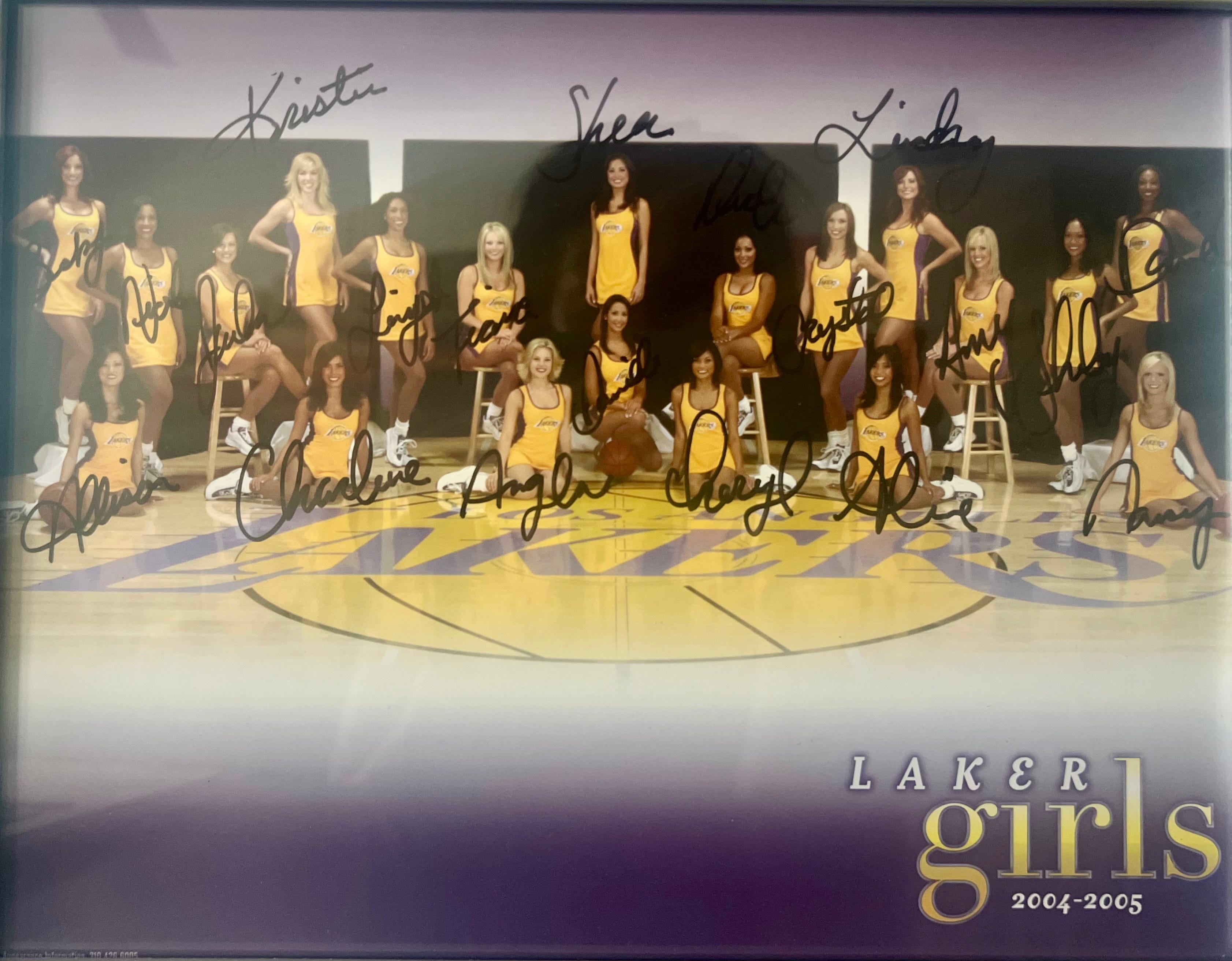
Somewhere between the dance floor and the field, I had learned how to not let a bad day become a bad month.
That sounds simple. It isn’t.
There’s a pattern I’ve watched play out in sales more times than I can count.
Something goes sideways. A deal falls through at the last minute. A prospect ghosts you after three months of conversations. Your numbers come in lower than expected.
And, then, your best rep carries that doubt into the next call.
Nobody decides to show up distracted. Though, the energy is different. The confidence is a little thinner. They are trying harder, which somehow makes the whole situation worse.
One bad outcome starts bleeding into the next one.
I did this too. Early on, I did this often.
So, what changed? Not having setbacks? Nope. I had plenty of them that year. Trust me. What changed was how quickly I could put them down.
I think about many specific weeks that year. I had lost many conversions back to back. Ones I thought would definitely close. The kind of losses where you replay the conversation over and over again wondering what went wrong.
Old me would have spent a few days in that replay loop. Overthinking, second-guessing, quietly questioning whether my approach was off. “Maybe I’m just not cut out for this.”
I had those conversations. Many times. Then, I also did something different. Something I’d been practicing in a completely different context. I just didn’t realize it back then.
I just…stopped.
I did not give up. I stopped analyzing. Stopped trying to figure out what went wrong. Stopped carrying the weight of it into the next conversation.
I had learned that skill from early days of performance. When you’re about to go on that stage, in front of a captivated audience, you don’t have the luxury of still being in your head about the last performance. The moment requires you right now. You either show up or you falter.
Sales is the same. The next prospect doesn’t know about your last call. They just know whether you’re present or not.
The technical skills matter. I’m not saying they don’t.
But skills are table stakes. Most people at a certain level have them. What separates consistent performance from inconsistent performance is almost never the skills gap.
It’s the recovery time.
How long does it take you to get back to neutral after something goes wrong? How many calls are you half-present for because you’re still processing something that already happened?
That’s the real number. And almost nobody tracks it.
The other thing about winning rep of the year taught me, and this one is harder to say out loud, is that a lot of what I thought was strategy was actually just confidence moving through me. Trust me on this one y’all…I had no clue what I was actually doing when I first started. I just stuck with it.
When I was clear and steady, I made better decisions in the moment. I asked better questions. I listened differently. I let things land instead of rushing past them.
Same skills. Completely different results.
That’s when I understood what people mean when they talk about peak performance. It’s not about doing more. It’s about having access to what you already know when it actually matters.
I finished that year having learned more about myself than about sales.
I learned that I could recover faster than I thought. That presence is a skill you can actually build. That the mental and emotional side of performance isn’t soft. It’s the whole game at a certain level.
Nobody trained me on any of that.
I pieced it together from dance, from coaching, from a lot of quiet observation about what actually separated the people who stayed consistent from the ones who didn’t.
That’s what I keep coming back to when I work with sales teams now.
Not what they know. Not even how they execute.
Whether they can get back to themselves fast enough to use any of it.